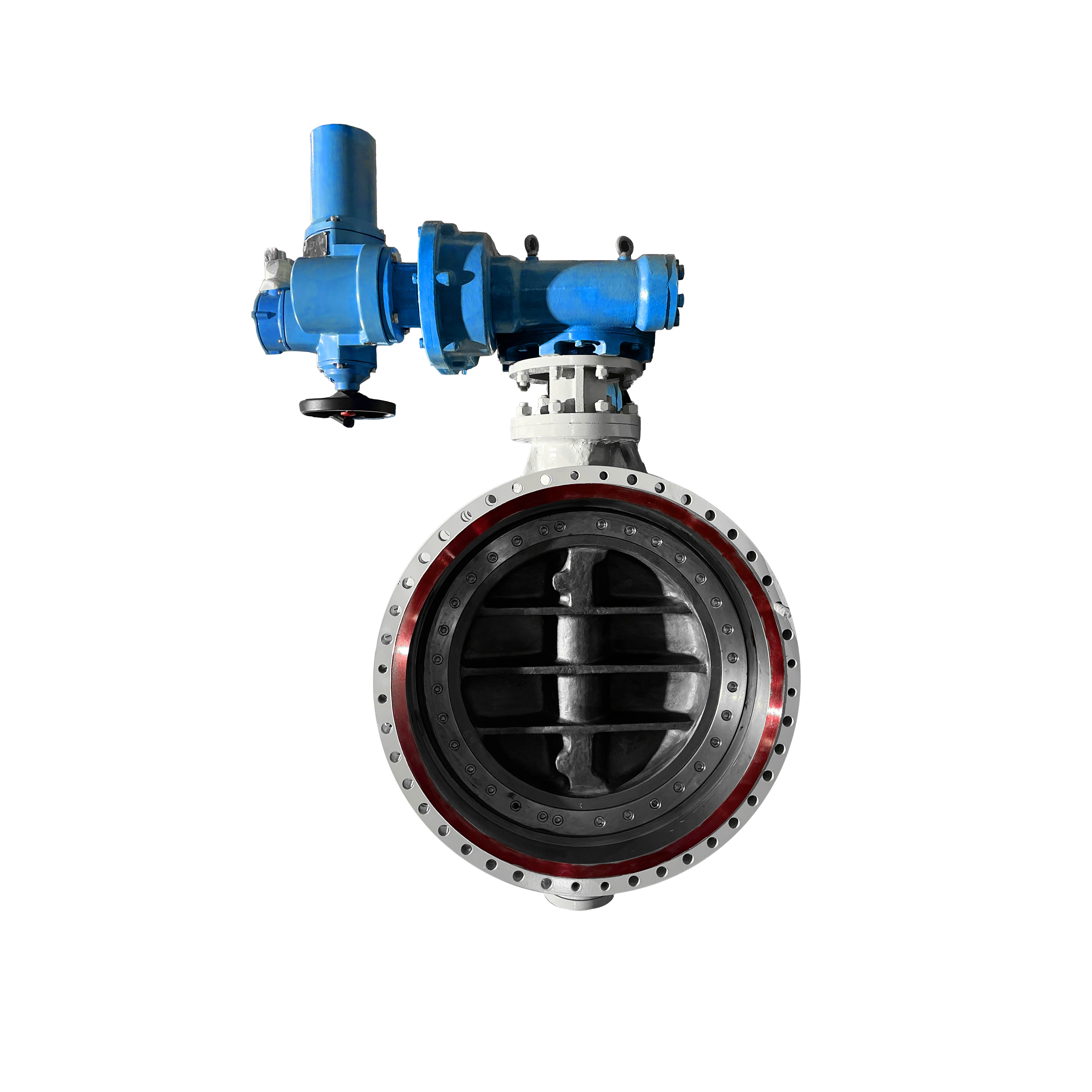
Grasping Gate Valves: Forms, Purposes, and Preservation
Stopper Gates, each simple system for detaching circulation in conduits, provide a elementary method for triggering or closing fluid course. Common classes include slanted gate, globe gate, and slitting gate, each suited for distinct purposes, such as refined manufacturing, fluid treatment, and compound sites. Regular support, including detailed audits, moistening of operational segments, and sporadic replacement of weathered rings, is indispensable for securing unfailing action and prolonging the instrument's duration}.Differentiating A Selected Flow Steering
When constructing a fuming handling, opting for the mechanism type is vital for adequate working. Round valves and shutter valves are commonly used, but perform distinctly different duties. Stop valves are chiefly created for thoroughly obstructing flow and are never well-suited for modulating transit speeds. Conversely, round valves grant excellent potential for careful circulation regulation and are commonly regarded as better where mutable fluid conditions are expected. Review this project’s exclusive stipulations before making the definitive preference.
- Bulkhead valves - Best for open/close management.
- Disc valves - Preferred for managing transit.
Flow Direction Valve Functionality: Preventing Reverse Flow in Pipe Setups
Unidirectional valves are required units in many technical duct frameworks, designed to confirm mono-directional current of elements. Their core job is to restrain backwash, as a result could endanger tools, corrupt inventory, or break activities. They generally act self-regulatingly, enabling movement in one direction while firmly excluding current in the backward vector.
Ball Valves: Gains and Limitations for Commercial Use
Orbital valves are typically employed in production settings due to their elementary design and consistent operation. Nevertheless, it’s imperative to grasp both their constructive aspects and potential problematic characteristics. On the one hand, ball valves offer speedy shut-off capabilities, first-rate flow control when applied in a semi- position (though traditionally non return valve not recommended for prolonged throttling), and are fairly cost-effective compared to some valve classes.
- Uncomplicated Servicing
- Minor Force Restriction
- Watertight Blocking
Survey of Valve Kinds: Gate, Globe, Check, and Ball
Learning the disparities concerning valve styles is critical for targeting the correct plan for a certain assignment. Let’s quickly scrutinize four standard valves: gate, globe, check, and ball. Gate instruments provide minimal interference to flow when totally unhindered, making them appropriate for heavy volume tasks, but manifesting poor modulation capabilities. Globe apparatuses, in comparison, have a section that rests against a orifice, allowing for detailed passage balancing, although at the expense of greater strain lessening. Check devices are constructed to instinctively avoid return flow, performing as a one-way preventative element. Finally, ball apparatuses utilize a round orb with a slot to authorize flow, presenting speedy release and deactivation with relatively low liquid decline.
- Gate Valves: smallest impedance
- Globe Valves: detailed governance
- Check Valves: avoid reflux
- Ball Valves: fast unlock
Determining the Best Apparatus: A Primer to Partition, Globe, Non-return, and Sphere
During working with with aqueous transit, deciding on the optimal apparatus is paramount. Gate regulators offer limited constraint and are excellent for open assignment, but fail to be well-suited for adjusting. Globe controllers provide top-notch circulation management and are more fitting for cases requiring adjustable transfer rates. Check controllers are self-controlled and support stream in individual vector only, blocking return flow. Finally, ball instruments afford swift unlocking and are regularly used in significant uses due to their hardy assembly.
Solving Typical Problems of Gate, Globe, and Ball Valves
Fixing impaired gate, globe, and ball mechanisms can be troublesome, but many common issues are promptly addressed with a bit of expertise. Let’s take a look at some typical problems and potential solutions. For gate instruments, seek out discharge around the lid, which regularly indicates a failing barrier. Globe valves are subject to clogging due to residue – try planned hand operation or cleaning to wash away the hindrance. Ball regulators will experience gasket leaks if the pellet is worn; updating the seal is typically the most effective course of action.
- Assess for rust
- Validate adequate treatment
- Evaluate experienced support if the challenge endures
This Position of Reflux Prevention Elements in Upkeeping Network Wholeness
One-way mechanisms serve a important role in supporting aggregate pipeline stability across multiple domains.Selected block return flow of fluids, which could generate serious threats particularly pollution of goods, installations failure, and even employees hurt. For, in a fluid system, one-way valves shield the well from resulting polluted by contrary stress. As well, these enable dependable disconnection procedures and lessen the likelihood for spontaneous exudation events.
Imagine any coming instances:
- Shielding of sensitive hardware from deterioration due to retrograde current.
- Protecting the authenticity of pure water resources.
- Blocking risky element counterflow into controlled localities.
Investigating Flow Regulator Categories: Gate, Globe, Ball, and Check
Despite all serving as vital components in fluid handling, gate, globe, ball, and check valves differ significantly in design and application. Shutoff valves offer minimal flow restriction when fully unblocked, ideal for segmentation but