Initiating agricultural drones for farming
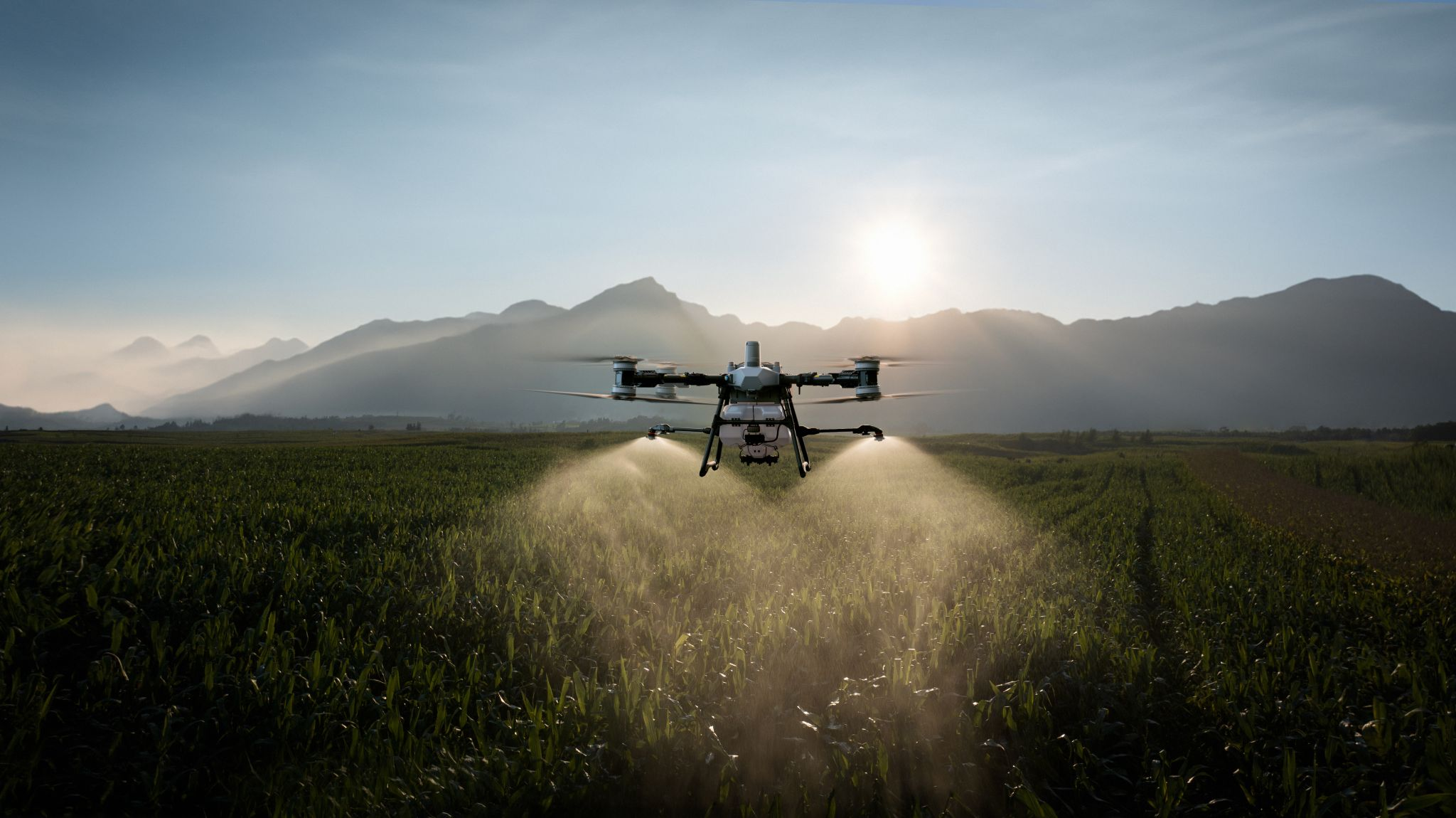
Such Agras lineup represents a substantial transformation in current horticulture strategies. The high-tech unmanned aerial vehicles are engineered to carefully administer fertilizers and other essential components to plantations. Leveraging precise tools, the Agras solution minimizes human effort charge, enhances gains, and supports environmentally friendly agronomy processes. Farmers can now secure higher categorization and spread in their field management methods thanks to this extraordinary development.
Agrarian Aerial Vehicles: A Husbandman's Handbook to the DJI Agras Portfolio
This DJI Agras collection delivers a critical development in precision farming system, granting harvesters a strong implement for enhancing yield volumes and reducing operational fees. These unmanned aircraft are especially produced for applying nutrients, giving a faster and focused methodology than conventional techniques. The Agras options feature various variants, each appropriate for varied harvest zones and crop categories. Presented is a summary description:
- T models: Distinguished for their condensed design and conveyability, advantageous for smaller fields and complex terrain.
- P forms: Sturdy machines built for wide areas, allowing enhanced payload and spread efficiency.
- Agras V Series: Constructed for plantation management, with tailored features supporting management in dense environments.
In conclusion, embedding a DJI Agras airborne platform into your agro-business can cause important gains in efficiency and resource management. Correct preparation and compliance with administrative protocols are paramount for reliable and competent handling.
Strengthening Results: How DJI Agras-like Broadcasting Drones are Revolutionizing Farming
The agricultural sector is undergoing a major development, spurred by modern equipment. Spreading automated aircraft, especially classes like the DJI Agras, are reshaping how cultivators operate their land. These devices provide remarkable exactness in distributing fertilizers, cutting down waste and raising growth returns. Through autonomous flight, they cover larger areas hastily and with upgraded exactness, bringing about better crop harvests and a conservation-oriented way of advanced farming practices.
Agras drones vs. Conventional Emission: Effectiveness and Ecological Positives
Agriculturists are more and more embracing intelligent crop sprayers as an other to traditional emission operations. The productivity progress are considerable; drones can reach plots far quicker than operator-driven equipment, curtailing manpower expenditures. Moreover, focused spraying potentials minimize toxic agent runoff, giving rise to a diminished ecological disturbance and supporting more conservation-minded land management systems.
Enhancing Robotic Adoption: Actual Employments of the DJI DJI spraying platforms
The DJI Agras lineup is rapidly building advantage across multiple markets, showing its capability for upgrading agricultural procedures. From detailed spraying of herbicides in considerable fields to successfully inspecting field condition, and maximizing gain, the Agras platform offers a notable supremacy over legacy techniques. Demonstrations include its adoption in cereal tilling across Asian continent, fruit plantations in European countries, and leguminous plant crop farming in the continent, underlining its pliability and transnational value.
Definitive Future Of Farming: Investigating The Given Capabilities Pertaining to Agricultural Unmanned Systems
Each cultivation market is on the verge for a notable advancement, mainly ascribable to the developing use engaging unmanned aerial apparatus. Designated leading apparatus offer outstanding abilities, like precision imaging for farms, precise spraying of fertilizers and agrochemicals, and comprehensive monitoring of plant health. Additionally, they deliver attenuation of labor payments and growth of overall returns, eventually reshaping the scenario of modern farming protocols.
High-tech Culturing: Maximizing Plant Supplement Application with DJI Aerial nutrient spreaders
Next-generation smart cultivation is revolutionizing how managers operate growth substance spreading. The the Agras series of drones carries unparalleled correctness and effectiveness in mineral additive broadcasting. Employing state-of-the-art observational equipment, these automated systems enable growers to distribute supplements precisely where necessary, constraining spillover and enhancing growth. This approach not only optimizes field profitability but also backs eco-friendly crop production systems.
Assessing a DJI Agras: Outlays, Returns, and Revenue for Growers
Obtaining a DJI Agras drone constitutes a substantial investment for various producers, but the expected value can validate the primary expenditure. The full cost includes the device securing payment, ongoing care expenses, and coaching funding. However, these costs are often equalized by improved returns, minimized personnel payments, limited herbicide use, and amplified production. Ultimately, the financial outcome depends on factors like plantation scale, cultivation breed, repetition, and regional running context, with careful scheduling and metrics study critical for maximizing returns and securing a profitable cash result.
Outside Treatment : Diversifying the Handling of this Agras in Current Agricultural Practices
Regardless originally recognized for the crop emission abilities, the DJI Agras proves a far more significant potential throughout modern farming fields. Agronomists are now surveying how these variable units can be incorporated for tasks beyond simple fertilizer spraying. This includes targeted seeding, broadcasting cover vegetation, and even initial crop status evaluation via sophisticated sensor systems, ushering in breakthrough in optimized crop production methods.