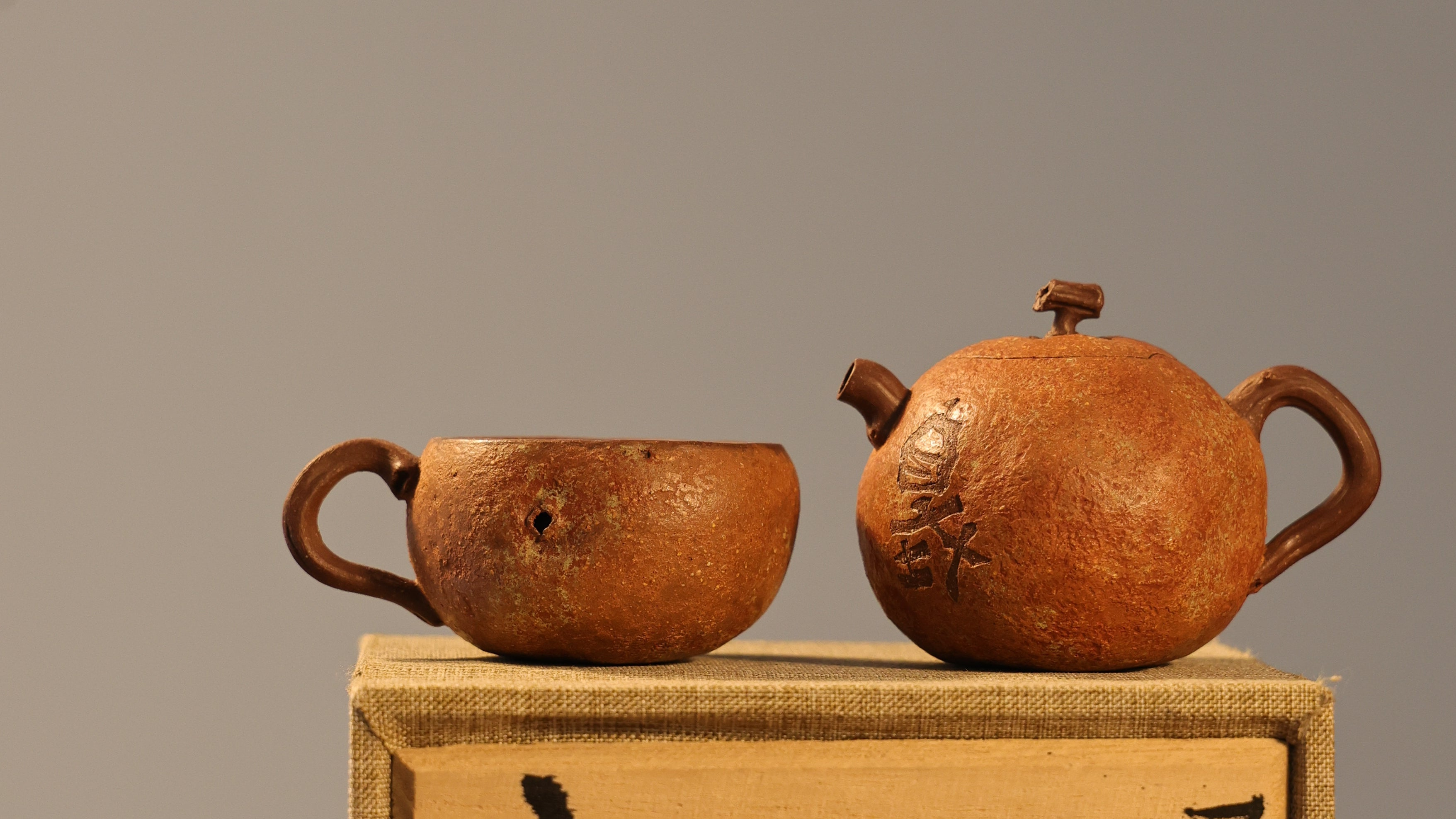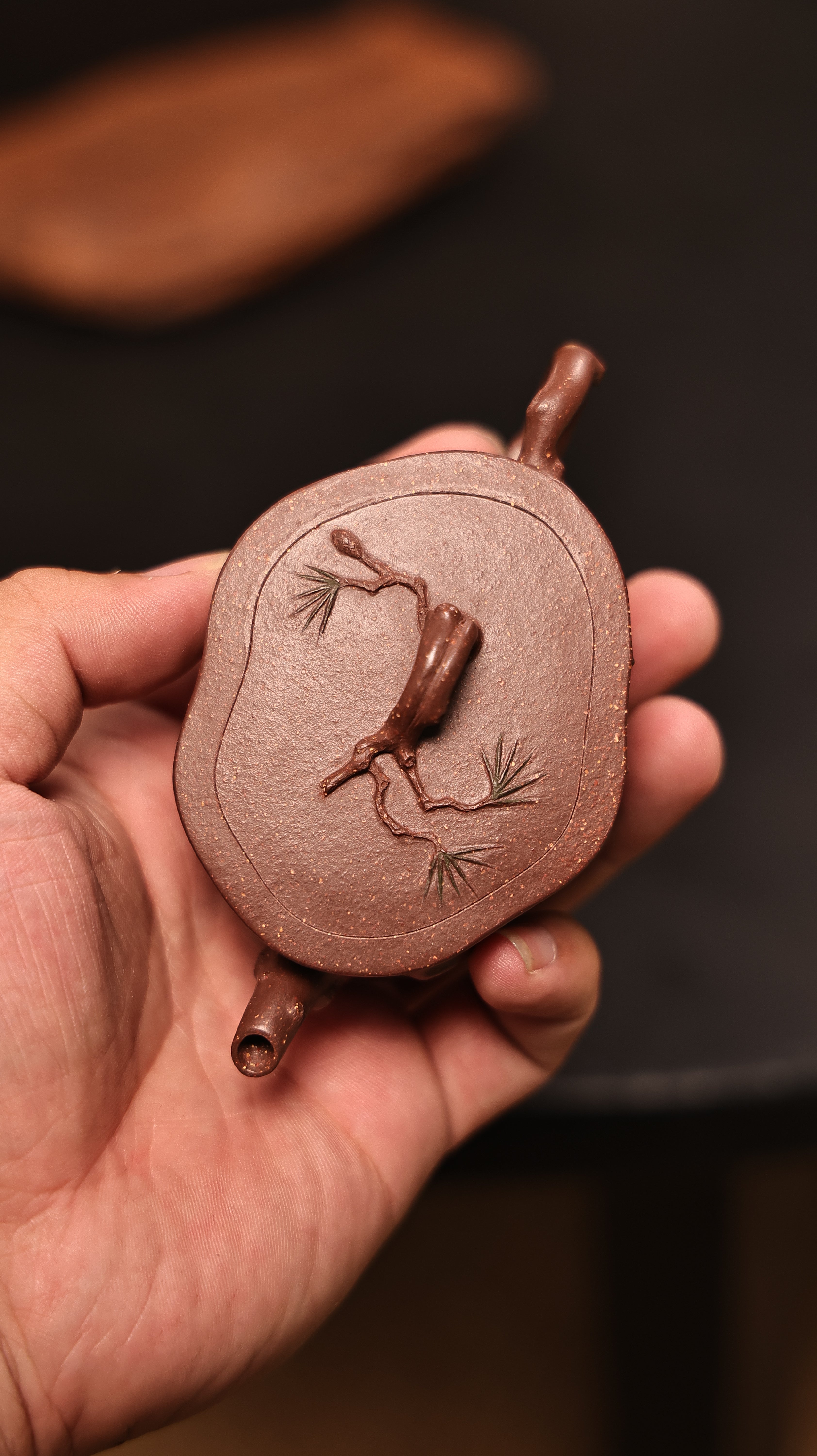
Across the expanse of historic epochs,
Within centuries, heritage seekers have been captivated by the one-of-a-kind charm of Yixing Zisha pitchers. Originating from the realm of Yixing in Jiangsu, these pieces are renowned for their remarkable beauty, limited clay, and natural ability to enhance the flavor of tea. The clay's distinctive purple-red hue, combined with the skillful fabrication of indigenous sculptors, creates products that are equally functional designs and prized holdings. Collecting a Zisha teapot is more than just an purchase; it's experiencing a rich historical heritage.
Understanding Yixing Teapots: Evolution, Categories, and Worth
The renowned Yixing teapots symbolize a vast record deeply intertwined with Chinese culture. Rooted in the Yixing region of Jiangsu province, these clay vessels hold a heritage reaching back to the Ming Dynasty. First copyrightples were functional, but over centuries, Yixing teapot forging evolved into an esteemed art form. The clay itself, known for its unique composition and ability to augment the flavor of the tea, stays a defining factor. Yixing teapots come in various kinds, broadly categorized by shape: Standard such as Zhuni (purple clay) and Bisheng, as well as refined designs. The merit of a Yixing teapot relies on several factors, including the potter’s renown, the age of the piece, the rarity of the clay, and its aesthetic quality.- Story: Old ages
- Earth: Bisheng
- Value Factors: Potter’s reputation
Zisha Pot Expertise: Craft and Potters
Unique construction of a genuine Zisha teapot is a sophisticated process, requiring periods of experience. Seasoned artisans meticulously source the prime Zisha clay, a specialized earth found only in specific regions of China. Traditional techniques, often bestowed through families, involve exacting shaping, sophisticated carving, and steady firing in ancient incinerators. The ultimate teapot isn't merely a vessel; it's a testament to innovative vision and the deep connection between the artisan and their heritage. Each product showcases the personal touch of the creator, resulting in a truly one-of-a-kind work of creation.
Chinese Earthenware: Exploring the Extensive Inheritances of Yixing Area
Celebrated Yixing, positioned Yixing Zisha Teapot in Jiangsu the expanse, is internationally renowned for its exceptional clay pots – a tangible representation of centuries of Chinese craftsmanship. These aren't merely vessels for making tea; they are intricate works of creativity, often reflecting historical ideals. That unique purple clay, known as Zisha, possesses remarkable qualities: it is dense, letting air through, and imparts a subtle taste to the tea.
- Countless bloodlines have honed the techniques of Yixing pot making, passing down preserved methods through times.
- Enthusiasts prize these pieces for their appearance and exceptionality.
- Each container tells a account, connecting the partaker to a rich legacy.
Exploring Yixing Zisha: What to Look For
During analyzing get Yixing Zisha earthen pots, multiple considerations call for careful inspection. In the first place, the clay’s tone is vital; authentic Zisha ordinarily exhibits a identifiable brick hue. Furthermore, inspect the technique; distinct aspects and a polished coating signify proficient craft. Eventually, analyze the producer's prestige; reputable names yield boosted amounts and often supply a reliable reward.
Crafting Tea with Zisha Clay Vessels
Making exquisite tea with a Zisha vessel is more than a simple custom; it's an technique. Zisha clay, acclaimed for its unique mineral composition, imparts a subtle character to the finished tea that’s often lacking with other containers. The right water thermal condition is imperative; typically, subdued than what's used for black tea, to preserve the tea's essence and nuance. Consider mindfully the tea class; delicate green teas or aged pu-erhs flourish from the Zisha’s ability to calm their primitive edge. It’s vital to purify the teapot leading up to brewing, and to exclude over-steeping. Mastering this craft leads to a factually exceptional tea episode.
- Knowing Zisha Clay
- Warming Level & Kind of Tea
- Significance of Pre-heating
Maintaining Your Yixing Kettle
In an effort to preserve the persistence of your esteemed Yixing container, consistent upkeep is absolutely required. Abstain from using detergent; instead, tenderly flush it with hot aqueous substance. Steer clear of sharp shifts; refrain lay the urn directly onto a searing area. Periodically, strengthen the kettle by brewing it with top-notch puerh beverage, as this promotes to build its character and maintains the unique features of the clay.
Relating to Earthenware to Cup: The Course of a Yixing Ceramic
This creation of a Zisha teapot is a exceptional mechanism, a expression to both nature's bounty and the mastery of the maker. It opens with the meticulous extraction of the singular clay from the burgundy Zisha mines near Yixing. This unfired material, known for its remarkable peculiarities, is then patiently washed and molded for the preliminary forming. The bottle’s form is adeptly built using a aggregation of longstanding hand-building techniques, often incorporating ornate figurings. Following drying, the pot undergoes a vital first firing, joined by a polishing stage, which might involve multiple layers of traditional Zisha coatings. Finally, a second, and sometimes third, firing at high temperatures perfects the artifact, revealing its definitive beauty and magnificent characteristics - a honest masterpiece, available to enrich a tea gathering.
{Yixing Teapots: A Sign of the Legacy and Valuation
Yixing teapots, originating from the renowned Yixing region of Jiangsu province, are far more than mere containers for brewing infusions; they represent a significant aspect of Chinese artistry. Created from distinctive purple clay – zisha – these singular teapots are highly cherished for their ability to elevate the flavor of the tea and, crucially, for their charm. The past of Yixing teapot making spans centuries, and the artistry involved is conveyed through generations, making each teapot a fine creation that embodies historical techniques and a profound appreciation for the elegant pleasures in life.