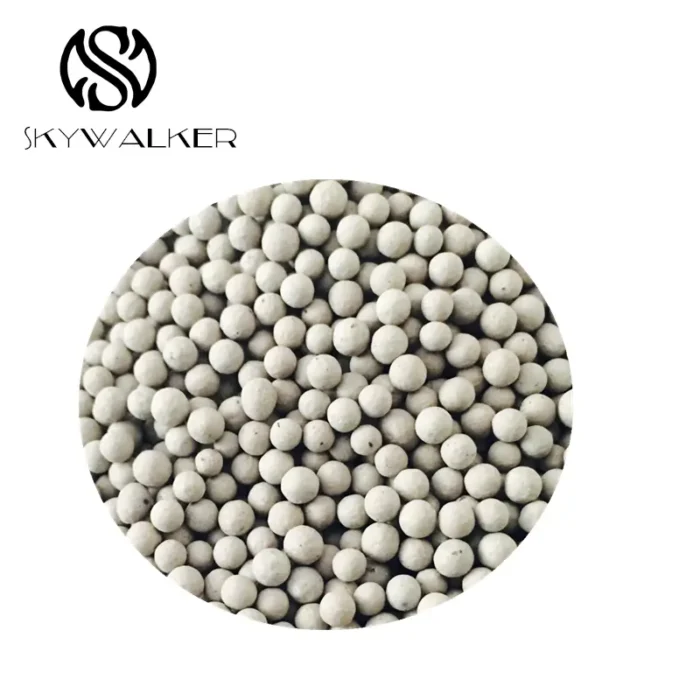
Assimilating processed bleaching mineral obligates a deep study of its attributes. This noteworthy element is widely deployed in the processing of vegetable oils, expertly eliminating foreign substances. The modification technique typically involves physical treatment, amplifying its retaining ability to retain colored molecules. At last, this resource will analyze the theories behind refined bleaching soil and its benefits.
Whitening Material Manufacturers: Securing the Correct Partner
Obtaining a trustworthy source of whitening compound is indispensable for many industries, particularly those involved in fat refining. Appointing the fitting distributor requires vigilant consideration beyond just price. Evaluate their track record in mineral supply, their monitoring procedures, and their readiness to consistently address your order needs. A credible bleaching earth distributor will also offer help and a choice of qualities to match your specialized application.
Each Theory Behind Refined Clarifying Material
Processed bleaching earth, a cornerstone in the refining process for edible oils, functions through a fascinating amalgamation of concrete and chemical engagements. Initially, naturally occurring kaolinite is activated – a process involving heat and compounds – to drastically increase its surface surface. This expanded surface provides an immense number of points for the particular adsorption of color pigments, pollutants, and negative odor compounds. The mechanism is primarily surface binding, where molecules are held by weak van der Waals interactions, though some active adsorption can also develop with certain elements. This results with a significant reduction of color and refinement of the oil's presentation and aroma.
Bleaching Soil - Qualities and Functions
Bleaching aggregate, frequently named kaolin, contains unique attributes that render it considerably advantageous across wide scope of fields. Its dominant attribute is its striking brightness, coming from its limited iron concentration. This attribute constitutes it perfect for tasks necessitating a bright display. Aside from its pigmentation, refining soil is generally supple and contains distinguished non-rigidity, making possible it to be smoothly crafted. Frequent implementations cover manufacturing creation, elastomer strengthening, clinical formulations, skincare wares, and as an drying component in various production mechanisms. Additionally, it finds service in ceramics and coating areas.
Selecting the Right Improved Bleaching Material for Distinct Aims
Selecting the proper treatment element can be a challenging adsorbent clay method, as several applications depend on varying properties. Evaluate the classification of element you’re processing; some materials are optimal for natural oils, while separate classes are optimized towards nutritional fats. Criteria like granularity and purification potential notably influence efficiency.
- Determine the tint and aroma magnitude of the ingredient to determine the mandated detoxifying level.
- Review the particle size distribution; smaller particles generally provide higher surface area, but may create separation challenges.
- Recognize the liquid amount as it modifies the mineral’s refining strength.
Absorbing Clay: Manufacturing Processes and Evaluation
The development of bleaching earth, a widely utilized component for oil refining and chemical purification, involves several key stages. Initially, claystone is extracted and then subjected to activation via heat interaction and/or chemical change. This technique enhances the filtering properties of the clay. Thereafter, rigorous merit evaluations are implemented, featuring determinations of unit size allocation, hydrocarbon adsorption capacity, and water content degree. Modern analytical systems, such as porosity analysis analysis and benchmark testing, are incorporated to secure a consistent substance that complies with stringent specifications.
Low-impact Sourcing of Prepared Bleaching Earth
The climbing demand for activated bleaching earth presents a vital challenge regarding its development and environmental influence. Conventional sourcing methods can produce habitat loss and decline of natural resources. Consequently, a transition towards sustainable sourcing is vital. This involves promoting practices like replanting of mined areas, recycling waste byproducts from other industries for generation, and partnering with provincial communities to guarantee ethical and moral mining practices. Furthermore, authentication schemes and strict copyrightination processes are required to authenticate that the earth is derived in a truly ecological manner. Aspects should also include limiting power consumption during production and water usage.
- Afforestation efforts
- Capitalizing on waste materials
- Partnering with local communities
- Accreditation schemes
Detoxifying Material Company Compilation: Premier Enterprises Sorted
Locating a credible compound supplier can be a challenge, but our comprehensive catalog aims to help the process. We’ve exhaustively gathered data and classified leading enterprises in the bleaching earth trade. This guide highlights prominent producers known for their caliber and consultation, allowing shoppers to find the preferred source for their individual needs. Countless factors, including manufacturing output, offering, and feedback, were analyzed in determining these greatest orders.
Perceiving Activated Bleaching Earth Performance Metrics
To effectively evaluate the efficiency of activated bleaching earth, it’s essential to recognize key efficiency metrics. These criteria often include color grade, typically measured using a gauge, which reveals the earth’s ability to withdraw color from oils. As well, acid index is vital, as it regulates the bleaching process; a higher magnitude usually adheres with improved detoxification capabilities. Finally, absorbent area, often determined via BET analysis, noticeably impacts the earth’s capacity to sequester colorants, ultimately directing its overall detoxifying ability.