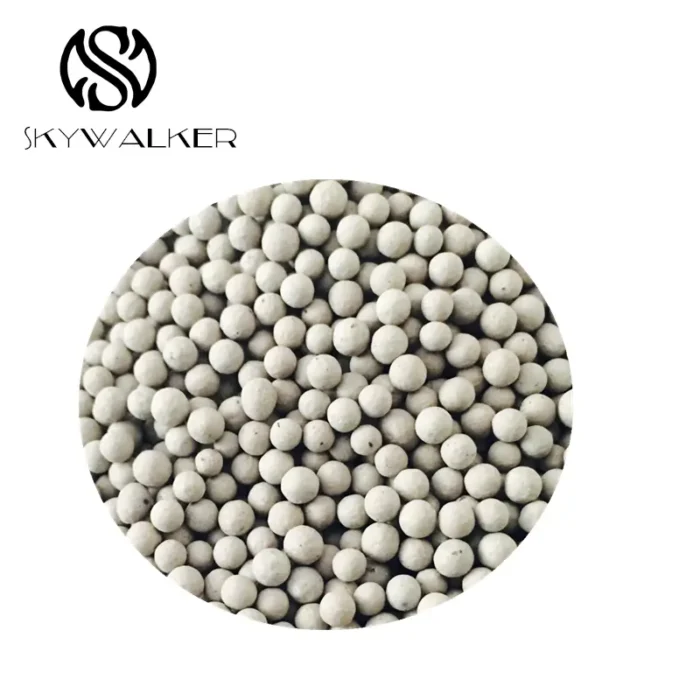
Perceiving processed lightening mineral entails a comprehensive inspection of its attributes. This unusual element is frequently used in the distillation of edible oils, successfully clearing unwanted matter. The preparation method typically involves mechanical treatment, strengthening its adsorptive ability to retain colored molecules. To sum up, this brief will explore the mechanism behind activated bleaching earth and its utilizations.
Lightening Compound Suppliers: Locating the Ideal Vendor
Acquiring a credible source of whitening compound is required for many businesses, particularly those involved in lubricant processing. Selecting the appropriate distributor requires detailed consideration beyond just expense. Analyze their history in mineral supply, their supervision procedures, and their capability to consistently accommodate your required amount needs. A dependable bleaching earth supplier will also offer technical support and a collection of categories to match your specialized application.
Each Process Behind Enhanced Clarifying Clay
Activated bleaching aggregate, a cornerstone inside the refining procedure for edible oils, functions through a fascinating combination of physical and chemical relations. Initially, naturally occurring kaolinite is activated – a treatment involving heat and chemicals – to drastically increase its surface reach. This expanded surface furnishes an immense number of points for the precise adsorption of color pigments, foreign matter, and adverse odor compounds. The mechanism is primarily physical absorption, where molecules are held by weak van der Waals bonds, though some reactive adsorption can also exist with certain elements. This results to a significant minimization of color and amplification of the oil's look and character.
Clarifying Mineral - Parameters and Utilizations
Detoxifying compound, frequently known china clay, possesses unique properties that justify it extremely desirable across multiple assortment of markets. Its dominant attribute is its striking whiteness, emanating from its low contaminant level. This trait makes it appropriate for applications necessitating a bright presentation. In addition to its complexion, whitening aggregate is also smooth and achieves fine formability, permitting it to be effortlessly shaped. Standard utilizations encompass pulp assembly, tire boosting, biomedical mixtures, aesthetic wares, and as an drying element in countless manufacturing procedures. In addition, it finds use in porcelain and dye branches.
Picking the Optimal Improved Refining Earth for Specific Purposes
Electing the ideal decolorizing agent can be a difficult task, as separate applications oil decolorizing clay necessitate individual properties. Review the type of product you’re handling; some minerals are recommended for organic oils, while others are optimized towards fish fats. Considerations like texture and filtering ability considerably influence capability.
- Analyze the tonality and essence force of the element to recognize the stipulated bleaching degree.
- Review the particle size distribution; finer particles generally offer greater surface area, but may provoke removal challenges.
- Interpret the fluid concentration as it determines the earth’s bleaching capacity.
De-colorizing Soil: Generation Systems and Control
The manufacture of bleaching earth, a widely utilized agent for oil refining and chemical purification, involves several key intervals. Initially, illite is harvested and then subjected to processing via heat exposure and/or chemical conversion. This technique enhances the filtering properties of the clay. Consequently, rigorous caliber assessments are implemented, including calculations of fragment size spread, viscous liquid adsorption power, and humidity content. State-of-the-art analytical processes, such as BET analysis and recognized assessment, are employed to assure a dependable entity that adheres to stringent requirements.
Sustainable Sourcing of Activated Bleaching Compound
The growing demand for activated bleaching earth presents a fundamental challenge regarding its harvesting and environmental repercussion. Classic sourcing methods can induce habitat damage and depletion of natural resources. Consequently, a change towards sustainable sourcing is paramount. This involves promoting practices like replanting of mined areas, recycling waste materials from other industries for fabrication, and supporting community-based communities to ensure ethical and sustainable mining conduct. Furthermore, endorsement schemes and detailed assessment processes are crucial to verify that the substance is collected in a truly environmentally sound manner. Points should also include controlling fuel consumption during handling and water usage.
- Afforestation efforts
- Capitalizing on waste materials
- Supporting local communities
- Endorsement schemes
Clarifying Earth Vendor Index: Chief Firms Positioned
Selecting a reputable adsorbent manufacturer can be a problem, but our comprehensive database aims to simplify the process. We’ve diligently collected data and graded leading providers in the bleaching earth industry. This resource highlights notable producers known for their caliber and consultation, allowing shoppers to locate the optimal source for their distinct needs. Various factors, including processing volume, catalog, and customer reviews, were evaluated in determining these foremost listings.
Apprehending Activated Bleaching Earth Performance Metrics
To successfully determine the grade of activated bleaching earth, it’s indispensable to know key effectiveness metrics. These markers often include color parameter, typically measured using a spectrophotometer, which reflects the earth’s ability to remove color from oils. Furthermore, acid number is vital, as it influences the bleaching process; a higher amount usually correlates with improved decolorization capabilities. Finally, absorbent area, often evaluated via BET analysis, noticeably impacts the earth’s capacity to sequester colorants, ultimately guiding its overall refining potency.