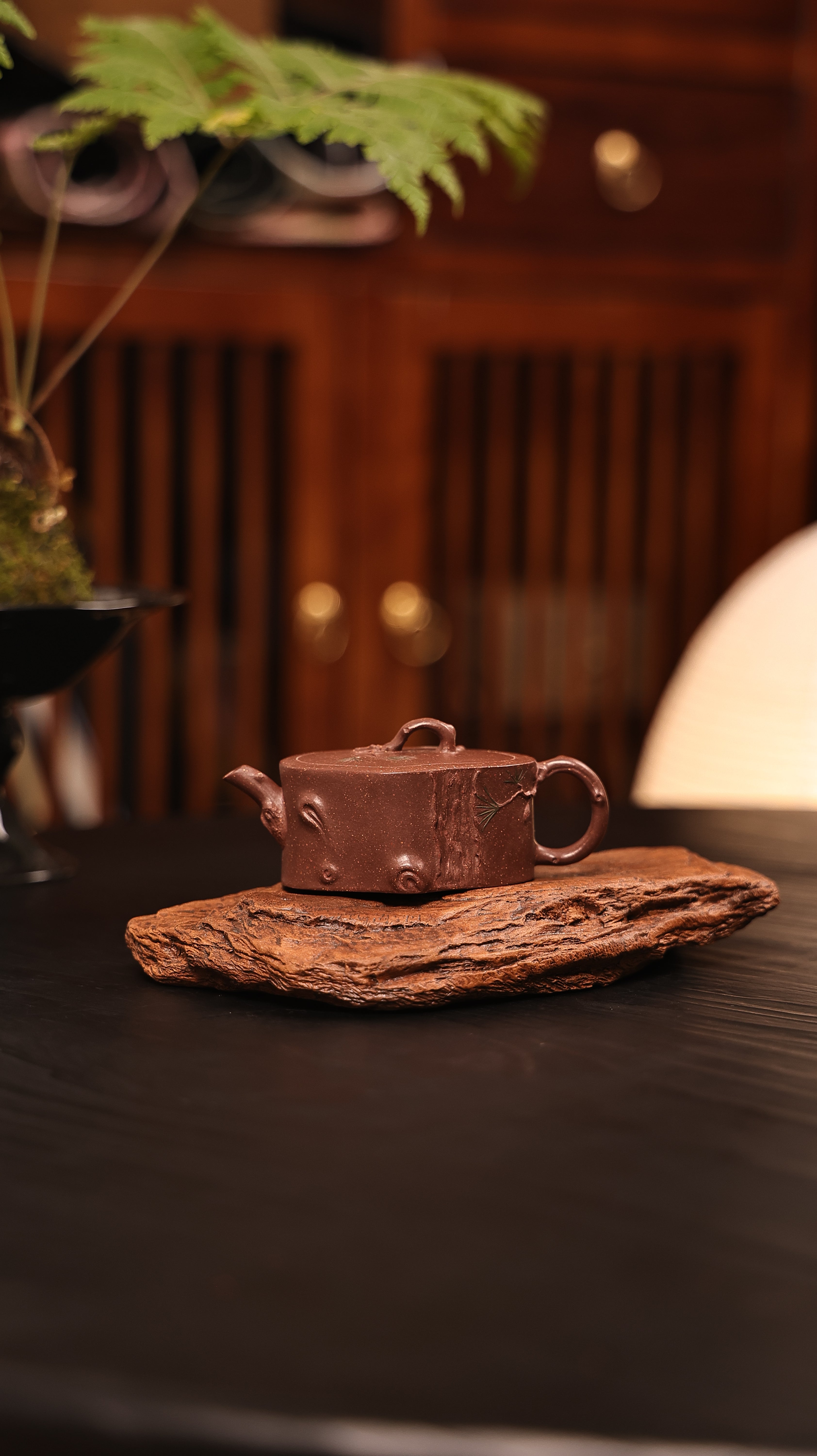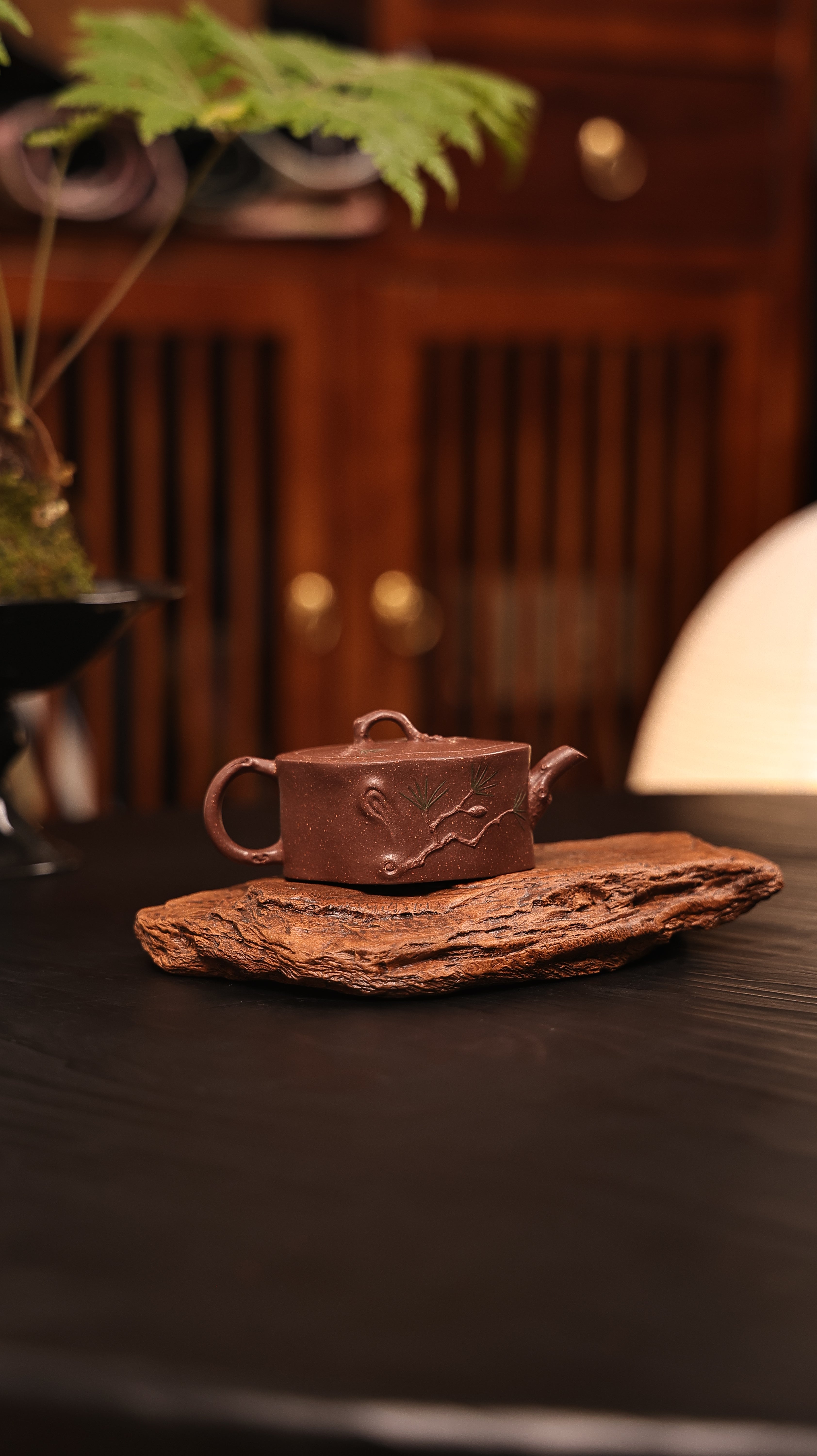
Centuries of connoisseurs have sought the exclusive allure of Yixing Zisha kettles. Emerging in the cozy town of Yixing, the republic, these urns are shaped from a unique and sourced purple clay renowned for its exceptional thermal elements and efficacy to intensify the essence of infusions. Beyond their valuable appeal, Zisha teapots express a extensive artistic pedigree, resulting them greatly collectible and a genuine wonder for any ardent teapot fan.
Exploring Yixing Kettles
Traditional teapots represent a distinct amalgamation of history and skilled craftsmanship. Developing in Yixing, Jiangsu Zone of China, their narrative goes back the Ming Dynasty, although manifestations suggest earlier expressions. The singular wine-colored clay, called Zisha, found uniquely in the Yixing region, is the vital component, contributing to the pots' remarkable heat stability and the manner they control the profile of tea. Generations of potters have improved techniques—often transmitted through families—including sculpting the clay, applying elaborate embellishments, and firing the pots at deliberate temperatures.- Originally, Yixing teapots were often trimmed with simple designs.
- Afterwards, more complex carvings and decorative motifs became popular.
- The oven firing itself is a pivotal element, requiring extended spans of proficiency.
Curating Zisha Teapots: Crucial Checkpoints
Initiating a mission to acquire Zisha containers can be rewarding, but it’s necessary to learn what to examine. Authenticity is important; focus on the earth’s natural tinge, a delicate reddish-brown is standard. Examine the structure; genuine Zisha has a unique tactile sensation, often characterized as slightly bumpy. The shape should be appealing and consistent with conventional styles, while maker’s marks, if present, require diligent examination for accuracy. Don’t hesitate to consult with expert connoisseurs or dependable references – their expertise is irreplaceable.
Renowned Teapots: Discovering the Legacy of original Pottery
Centuries have seen Yixing Purple Clay teapots occupy a distinguished role in Chinese custom. These beautifully crafted pots, sourced primarily from the locality of Yixing, are acclaimed for their characteristic complexion, composition, and their ability to improve the flavor of infusions. Countless collectors value antique Yixing teapots, appreciating them profoundly not only for their aesthetic loveliness, but also for the heritage they express.
Yixing Zisha Teapots: Distinguished Choice Sorts and Their Details
Yixing Ceramics teapots, developed in the traditional section of Yixing, the state, are distinguished for their exclusive clay and remarkable brewing powers. Inside the several Zisha types, the varieties that are highly treasured include Baiwei. Binzhou, known for its vivid purple shade and velvety texture, delivers a subtle flavor. The Duan Ni type, recognizable by its reddish color and somewhat grainy feel, is perceived to enhance the depth. Lastly, Zhuni clay boasts an rare burgundy tone and can bestow a mild nuance. Each type affords a alternative experience, enabling them extremely desirable to concoction enthusiasts.
Conquering A Yixing Container
To discover the magic of your Yixing urn, learning the correct approach is necessary. These clay kettles, celebrated for their permeability, will slowly embrace the heart of the tea you brew within them. Begin by cleansing the vessel thoroughly with steaming water. Then, use only fine whole leaf tea, as lower quality options can impair the container’s delicate flavor profile. Always enable the leaves to open completely, and remember that with each application, your Yixing vessel will become perpetually special.
Protecting Your Invaluable Zisha Treasure
Proper upkeep for Zisha Teapot your Zisha kettle is crucial to maintaining its durability and worth. Zisha clay, acclaimed for its unique coloration and makeup, requires gentle handling. Never use caustic detergents, as these can ruin the covering. After every employing, rinse the kettle with room temperature water and allow it to dehydrate completely.
- Sidestep soaking the kettle for extended phases.
- Periodically use a soft piece of cloth to refresh the exterior.
- Explore applying a thin layer of food-grade ointment inside the teapot after drying, which can lessen staining.
A Beginner's Guide to Yixing Containers
Yixing kettles, originating from the Yixing area in Jiangsu Province, the Chinese territory, are celebrated for their distinctive peculiarities. Produced from the unique purple material known as Zisha, these pitchers are prized by tea enthusiasts worldwide. This overview will succinctly explain the pillars – covering types of Zisha soil, well-liked shapes, and fundamental care tips. Understanding the origin of Yixing containers can boost your appreciation for this acclaimed example of Chinese artistry.
Mastery of Han Kettles: Presenting Zisha originating in the Yixing area
Zisha soil from this city of Yixing represents the culmination of Asian teapot design, boasting a distinctive mixture of authentic beauty and operational artistry. These notable pieces are noted for their bold complexions, often including strong purples and copper hues to delicate greys and subtle beiges. The defining mineral composition of the typical Zisha clay imparts a unique texture and delivers a welcoming aroma that amplifies the aggregate potion experience, contributing to them significantly valued collectibles and necessary components of any serious ceremony.