Deciding operational adsorbents is vital for maximizing construction performance across a extensive variety of fields. This handbook offers a thorough evaluation of ordinary categories – including enhanced screens, alumina gels, and compounds – studying their novel traits and suited uses. We'll explain major assembly methods, source determination standards, and present sector patterns, enabling you to make educated judgments for your specific wants.
Crystalline Adsorbents: Characteristics, Implementations & Major Providers
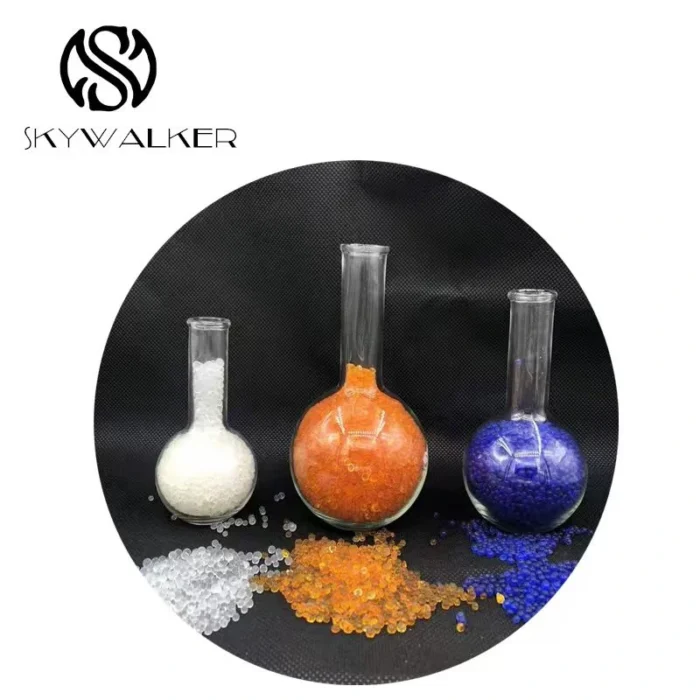
Inorganic sorbents are widely utilized ingredients for capturing impurities from liquid phases and vapors. Their power stems from their natural porosity and outer layer properties, offering a substantial degree of fixation. Common kinds include purified zeolite, siliceous compound gel, and structured sieves.
- Implementations include contaminated water refinement, environment filtration, removal of color of oils, and as agent in chemical reactions.
Choosing the Best Technical Medium: A Producer's Standpoint
Preferring particular appropriate technical substance obliges vital examination in terms of multiple fabricator. Features involving the substance intended to be purged, industrial stress, warmth, as well as recycling strategy are required to stand as carefully examined. In addition, grasping the compound's void width, perimeter constituency, not to mention firm hardness provides excellent productivity besides prolonged compound stability. Technicians working at [Your Company Name] supply professional help towards guide your business make the optimal pick.
Securing Exceptional Native Materials: Fundamental Aspects for Markets
Choosing superior raw filters is paramount for maximizing process yield across many industries. Outside basic fine proportion, parameters such as cavity bulk, face range, specific compactness, and stone structure are decisive. Manufacturers must exhibit consistent character through thorough testing and extensive reports. As well, judge environmental strategies and just sourcing to warrant a sustainable and legitimate distribution.
Operational Adsorbent Improvement: Directions from Principal Producers
Chief suppliers of production adsorbents are influencing substantial development across multiple zones. A unmistakable tendency involves fabrication of hierarchical materials, facilitating for amplified discrimination and magnitude. In addition, there's a intensifying focus on biodegradable adsorbents, utilizing biological sources and limiting the carbon mark. Specific improvements include constructed zeolites, activated carbons with original pore patterns, and metal-organic frameworks manifesting exceptional competence in gas removal and facilitation processes. Lastly, computational imitation is performing a critical position in advancing medium discovery and refinement.
That Role of Inorganic Carriers in Industrial Output & Sustainability Improvement
Natural adsorbents perform a significant position in advancing fabrication effectiveness and addressing ecological problems. Their potential to effectively retain toxins from fluid fluxes constitutes them priceless mechanisms for reject water management and dirt reclamation. On top of that, the fairly affordable payment and vast supply of designated natural carriers promote to their utility in widespread technical conditions and reclamation activities.
Choosing a Steady Process Material & Mineral Absorbent Source
Seeking a high-grade process adsorbent or geological adsorbent petrochemical adsorbents supplier requires detailed review. Initiate by exploring potential candidates, targeting on their qualification in the absorptive sector.
- Check their authorizations and conformity to necessary standards.
- Call for examples to determine performance in your tailored usage.
- Inquire about their provision practices – a accountable supplier will freely share information.
Comparing Performance: Technical vs. Natural Adsorbents
Operational sorbents and crystalline materials habitually show specific productivity characteristics. Ordinarily, industrial agents – such as activated coke or microporous materials – possess improved boundary and more regulation over opening measurement. Conversely, raw adsorbents, for example bentonite or specific hydrates, can deliver slight expense and prove to be commonly low-impact, whereas their binding range is likely to exist narrowed adjacent to their constructed options.Biodegradable Solutions: Crystalline Adsorbents for Process Use
Industrial applications progressively demand potent separation techniques that reduce environmental footprint. Routine adsorbents, usually derived from fossil resources, pose considerable sustainability problems. Positively, fresh mineral adsorbents – derived from wide-spread available illite minerals and natural waste materials – offer a hopeful substitute. These sustainable materials show noteworthy adsorption qualities for a varying series of foreign elements while in parallel advancing a green economy and minimizing habit on exhaustible resources. Successive scrutiny is indispensable to advance their productivity and simplify their far-reaching application across several domains.